Association of Children’s Librarians of Northern California (ACL)

bayviews.org

June 2026

Table of Contents

Reviews

America As It Happened Review

America As It Happened: A Moment-by-Moment Journey through Time, from Prehistory to the Present Day. Matthew Taylor Wilson, Illus. Addl. Creator The Washington Post. What on Earth!, 03/2026. 191pp. Nonfiction. Trade $30.00. 978-1-80466-167-3. GRADES 4–8. ADDITIONAL.
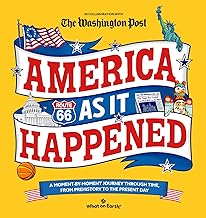
This overview of the history of the United States is written in the style of a daily newspaper, featuring headlines, photos, drawings, and brief articles. Arranged by century, the text covers historical events and popular culture highlights as if they had just happened. The authors have been sensitive to inclusivity, integrating information about traditionally-highlighted individuals and events with articles on how Indigenous peoples were treated, and accomplishments by women, people of color, and others who were often marginalized by historians. Because the book covers so much, some topics and individuals have been left out, such as Fred Korematsu and Medgar Evers. This will be most useful as a browsing item to introduce a topic, with more in-depth books needed for report-writers. The inviting format will appeal to all ages, even adults, with a timeline that runs along the bottom of each page, maps, sidebars, and other informative entries.

Penny PeckSan José State University iSchool

Barbed Wire Between Us Review

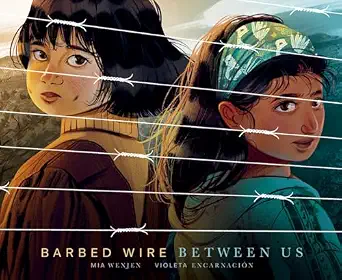
Wenjen, Mia. Barbed Wire Between Us. Violeta Encarnación, Illus. Red Comet, 03/2026. [48]pp. Picture Book. Trade $19.99. 978-1-6365-5192-0. GRADES 14. ADDITIONAL.

Using the form of an illustrated reverso poem, Wenjen and Encarnación demonstrate parallels between Japanese American citizens who were imprisoned eighty years ago during World War Two, and new immigrants who have been detained in the same US facilities over the past decade.  With Fort Sill, Oklahoma as the backdrop, the illustrator’s focus on a young girl in both settings allows readers to empathize with the jarring juxtaposition of violent separation and mutual daily caretaking. While most reverso poems tell cleverly opposite stories, this tells two versions of the same story, only different in the time periods and citizenship status of the characters. Digital-and-mixed-media illustrations resembling screen prints seem to be drawn from specific events, such as the origami cranes made by formerly-detained Japanese Americans, presented in solidarity with immigrants detained today. However, some of the illustrations have a distracting awkwardness, with odd body positions or facial expressions that contradict what the text and context imply. An author’s note at the end describes Wenjen’s family’s connection to Japanese internment. This emotionally-focused picture book for elementary students will serve as a supplement to more detailed, factual presentations documenting the racially biased incarceration of immigrants in the United States. Review based on an e-book through HooplaDigital.

Erica SiskindOakland Public Library

Chismosas Only Book Club Review

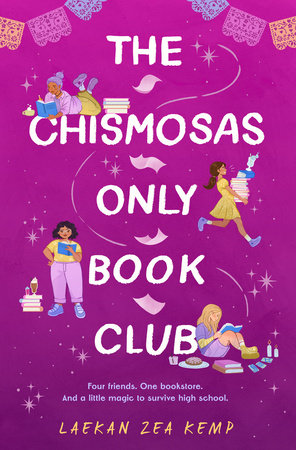
Kemp, Laekan Zea. Chismosas Only Book Club, The. Heidi Moreno, Illus. Putnam, 05/2026. 336pp. Fiction. Trade $18.99. 978-0-5938-5976-6. GRADES 5–9. HIGH ADDITIONAL.       

In her mother’s bookstore Milagro’s, Cat creates the Chismosas Only Book Club with her three best friends Mari, Sofia, and Ana, in order to keep each other close as they start a tumultuous first year of high school. Interwoven with Spanish words and graphic novel chapters, this book celebrates the tenacity of girlhood and friendships among first crushes, first periods, and family pressures. The book alternates perspectives between the four Mexican American girls—called “las chismosas” by Cat’s mother. With the text split between four main characters, the reader doesn’t spend long with each girl, but emotional depth and character development are not lost at all. Mari’s chapters include graphic novel panels; illustrations are simple and short, but are realistic as excerpts from a sketchbook. The novel is primarily realistic fiction but sprinkles in elements of magic with the ancestral spirit of Milagro, who picks out books meant for each girl at the right moment in their lives. The friendship between las chismosas, and their support for one another, is magical in itself. Back matter includes a list of every book mentioned in the novel. Review based on an ARC.

Willow FaustAlameda Free Library

Cloud That Stuck Review

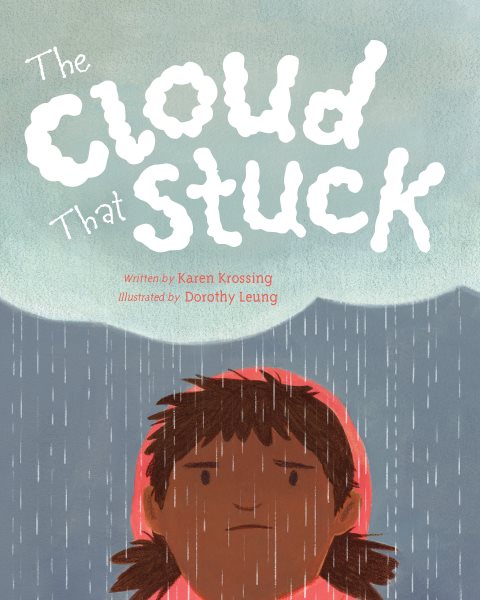
Krossing, Karen. Cloud That Stuck, The. Dorothy Leung, Illus. Charlesbridge, 04/2026. [32]pp. Picture Book. Trade $17.99. 978-1-62354-572-7. GRADES Kindergarten–3. HIGH ADDITIONAL.          

Tansy is frustrated and annoyed with the cloud that hangs over her head and follows her everywhere; neither her dad nor teacher can make it go away. Even children will grasp that the cloud is a metaphor for depression, and will appreciate how she deals with her feelings by channeling them into gardening. The acrylic gouache and colored pencil illustrations depict Tansy, her dad, and teacher with brown skin and black hair; ethnicity is not spelled out. It will be useful as a discussion starter on tactics for dealing with one’s feelings and to promote social and emotional learning. The book ends with a note about acknowledging and dealing with mental illness.

Penny PeckSan José State University iSchool


Cowgirl Dreaming Review

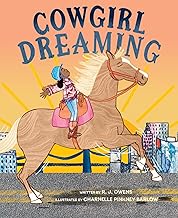
Owens, R.J. Cowgirl Dreaming. Charnelle Pinkney Barlow, Illus. Abrams, 05/2026. [36]pp. Picture Book. Trade $18.99. 978-1-949480-57-3. GRADES Kindergarten–3. OUTSTANDING.        

A young girl describes her nervous anticipation as she prepares to ride in her first Black Cowboy parade in Oakland, California. She looks forward to seeing the other horses and riders and showing what she and her horse Garbo can do; she remembers how her late brother encouraged her, and how she wants to honor him with the No Gun Violence theme. The warm, emotive text and the distinctive colored pencil and collage artwork combine to depict a loving family in a proud neighborhood, with vivid Oakland-specific details. The book ends with notes from both the author and illustrator about Oakland’s Black Cowboy Association. Includes California-specific content.

Penny PeckSan José State University iSchool

Everything Grandma Needs Review

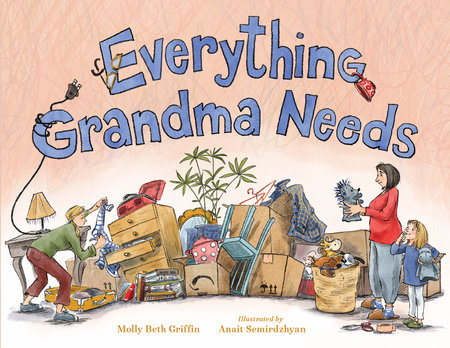
Griffin, Molly Beth. Everything Grandma Needs. Anait Semirdzhyan, Illus. Charlesbridge, 07/2026. [32]pp. Picture Book. Trade $17.99. 978-1-62354-652-6. GRADES Kindergarten–2. ADDITIONAL.           

It is time for Grandma to move from her big house into a little condo, which means she has to downsize. Her daughter and granddaughter come to help, but find that there are lots of memories, and objects, to deal with. Eventually they find ways to figure out what to keep and what can go away—either trashed, recycled, or donated—while honoring and experiencing their memories of the items and the house. Grandma gets moved into the new place and all three grow closer together during the process. The pencil-and-watercolor-like illustrations keep the tone light and hopeful, while depicting Grandma, Mom, and kid with light skin. Downsizing is a much-needed topic and is deftly handled for young readers to understand the why and how. Back matter includes resources and ideas to help with moving and downsizing.

Joshua ReesDaly City Public Library

Fluffy Futon Review

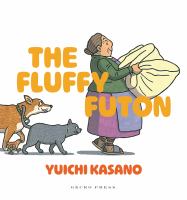
Kasano, Yuichi. Fluffy Futon, The. Yuichi Kasano, Illus. Translated from the Japanese by Cathy Hirano. Gecko, 05/2026. [26]pp. Picture Book. Trade $18.99. 979-8-3480-2420-8. GRADES Preschool–1. HIGH ADDITIONAL.        

Grandma spreads out a futon in the sun on the porch of her traditional Japanese-style house—sliding doors, wood posts, and a slanting tile roof—which attracts an expanding group of nappers. First a cat stretches out, yawns, and falls asleep, which triggers Grandma to do the same—then a dog, a few chickens, a little boy, assorted pigs, and others, each of whom yawn and pile onto the futon for a nap. Clear, repeating text accompanies simple pencil and watercolor-like illustrations to delight readers who may also like The Napping House by Audrey Wood (Harcourt, 1984) or other similarly cumulative titles. Although originally published in Japan in 2000, this 2026 translation is worth the wait, just so readers can experience infectious yawns. A great readaloud to use just before naptime or bedtime.

Joshua Rees—Daly City Public Library

Here Come the Aunties Review

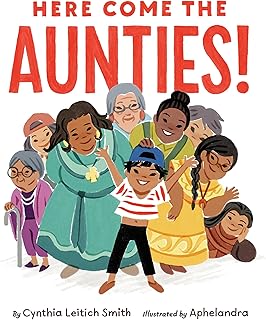
Smith, Cynthia Leitich. Here Come the Aunties. Aphelandra, Illus. HarperCollins/ Heartdrum, 02/2026. [32]pp. Picture Book. Trade $19.99. 978-0-0633-7469-0. GRADES Preschool–2. HIGH ADDITIONAL.           

Among Native people, the term “auntie” is a role that can be fulfilled by many different folks in a community, from cousins, neighbors, or friends of the family to sisters of mothers, grandmas, or great-great-grandmas. This book stands out from others of its kind because of its inclusivity of Indigenous culture and traditions. River, a tan-skinned, dark-haired Muscogee second grader, has many aunties in this book—sixteen in total—with a variety of body types, skin tones, ages, and personal styles; they teach him, play with him, take care of him, help him process big events and feelings, and celebrate him. River welcomes a baby sister at the end of the book, preparing her to meet the aunties that will love her and teach her and take care of her, too. Cynthia Leitich Smith’s simple and clear narrative style pairs well with Aphelandra’s warm and vivid ink and gouache illustrations. The author’s note shares more about aunties in Indigenous culture and the inspiration for the character of River. This would be a great family storytime choice or a one-on-one readaloud to encourage a discussion of family traditions, celebrations, and the excitement of welcoming a new member of the family who is yet to be born.

Natalie CanellasAlameda Free Library

Hmong: A Graphic History Review

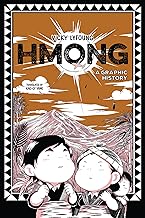
Lyfoung, Vicky. Hmong: A Graphic History. Vicky Lyfoung, Illus. Translated from the French by Kao-Ly Yang. Lerner/Graphic Universe, 04/2026. 158pp. Graphic. PLB $38.65. 979-8-7656-5981-6. Paper $18.99. 979-8-7656-5982-3. GRADES 6–Adult. HIGH ADDITIONAL.

Who are the Hmong? This thought-provoking graphic novel begins with the the history of the exodus of Hmong people from China thousands of years ago to live in the Laos and Vietnam area, moves swiftly through centuries of Hmong history, and draws a vivid picture of Hmong support of the French and Americans in the 1950’s and 1960’s, and the deaths of many as a result of this support. During this time period, the story becomes a memoir, showing the journey Lyfoung’s parents took as they fled Laos to emigrate to France. Detailed b&w pen and ink illustrations depict the many deaths, the sometimes peaceful lives of the Hmong, and finally, what it was like for Lyfoung and her family growing up in France after escaping from Laos and then the refugee camps. This important and readable title introduces a a rich and difficult history, underscored by Lyfoung’s personal connection to the material, that is underrepresented in children’s literature.

Joshua ReesDaly City Public Library

Love That Baby Hair! Review

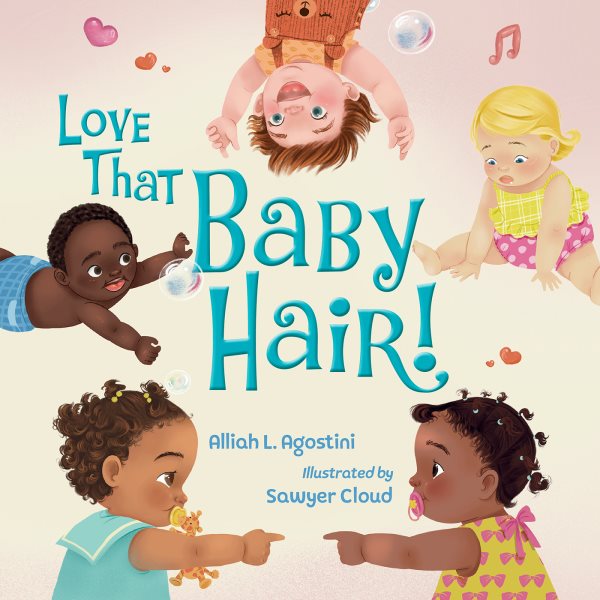
Agostini, Alliah L. Love That Baby Hair! Sawyer Cloud, Illus. Charlesbridge, 03/2026. [32]pp. Picture Book. Trade $17.99. 978-1-62354-668-7. GRADES Baby/Toddler–Kindergarten. HIGH ADDITIONAL.

This celebration of baby hair uses a jaunty rhyme and repetitive text to talk about the joy of a baby’s hair. Every other spread contains the repeated chant “Nothing like that baby hair, baby-waby BABY HAIR!” making this a great choice for a baby or toddler storytime. The brightly colored digital illustrations resemble gouache, and feature babies of all ethnicities, although the majority of the parents and babies are Black. The book ends with a note about different types of hair.

Penny PeckSan José State University iSchool

Onward Review

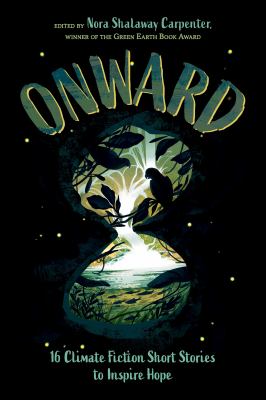
Carpenter, Nora Shalaway, ed. Onward: 16 Climate Fiction Short Stories to Inspire Hope. Addl. Creators Erin Entrada Kelly, Gloria Muñoz, et al. Charlesbridge, 02/2026. 332pp. Fiction. Trade $19.99. 978-1-62354-653-3. GRADES 9–12. HIGH ADDITIONAL.

How might climate change affect how people live? These sixteen short stories demonstrate many different ways that climate change could impact life on Earth, especially with less water or higher temperatures. Each author presents a fully separate story; each story explores its own time period, location, climate, and how humans have been impacted, through the lens of teen experiences. Some could happen today, while others feel to be much further into the future due to more advanced climate impacts. Each teen protagonist lives through a different future that readers can only hope will never happen—vigilante actions to keep water within a state/community, small groups hunting the landscape for life-giving water, living in a protected bubble with breathable air and no living plants or animals, endangered animals going extinct through malicious acts, and a wide array of other events. Thought-provoking, gripping, and sometimes very worrying, these stories are best read one at time, then discussed with others.

Joshua ReesDaly City Public Library

Opting Out Review

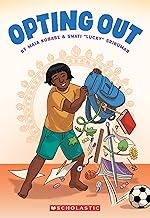
Kobabe, Maia. Opting Out. Maia Kobabe, Illus. Addl. Creator Swati “Lucky” Srikumar. Scholastic/Graphix, 05/2026. 255pp. Graphic. Trade $25.99. 978-1-5461-1012-5. Paper $14.99. 978-1-339-01224-7. GRADES 5–8. HIGH ADDITIONAL.        

It’s the end of sixth grade and Saachi is suddenly feeling left behind. Not only is she uninterested in the crushes her friends are so excited about, but the idea of puberty is debilitating. Through her love of reading and stories, plus guidance from her supportive family and Hindu faith, Saachi is able to understand that although she can’t opt out of relationships and community, she can deviate from the gender binary and create her own definitions of gender and adulthood. Saachi and her family are Indian, and notations in the book indicate when they are speaking in Tamil. Gender expansive puberty education is built into the narrative of the story, with several panels showing the text of the puberty book Saachi is given by her amma. While the novel excellently portrays gender variance and Indian culture, the narrative plot takes a backseat, seemingly prioritzing representation over storyline. Readers may feel unsatisfied by the lack of resolution in some of the story’s secondary conflicts.

Sicilia SmithAlameda Free Library

Styx and Stones Review

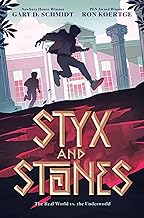
Schmidt, Gary D. Styx and Stones. Addl. Creator Ron Koertge. Clarion, 05/2026. 231pp. Fiction. Trade $18.99. 978-0-06-338097-4. GRADES 5–8. HIGH ADDITIONAL.        

Simon has spent more than 2,000 years in the underworld after his entire family is killed in a war with Sparta, until he escapes and ends up in the present time at a middle school. The story alternates between the world of Hades and the world of Simon adjusting to middle school, in a clear metaphor of how both places can be hellish due to bullying. The contemporary scenes, with nerdy Zeke, who befriends Simon, are more compelling than the underworld scenes, which can be repetitive and may confuse readers who haven’t studied Greek mythology. Fans of Rick Riordan’s books, which also blend myths with contemporary characters, will enjoy the narrative due to the smooth writing, even though the story is not especially new or original.

Penny PeckSan José State University iSchool

The Sounds of Trash Review

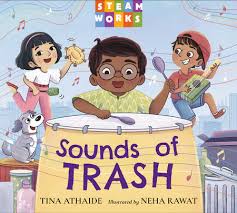
Athaide, Tina.  Sounds of Trash. Neha Rawat, Illus. Steam Works. Charlesbridge, 08/2026. [32]pp. Picture Book. Trade $17.99. 978-1-62354-684-7. GRADES Kindergarten–2. ADDITIONAL.           

The big community block party is being held in the park, which has no electricity for playing music. Pran, Raul, and Mira are bummed, but then decide to make their own musical instruments from found objects. Thus dozens of handmade instruments are created, which they and their neighbors then have fun using at the block party. Digital illustrations show a wide variety of ethnicities at the block party; the three friends appear to be Asian (Mira), Hispanic (Raul), and Indian (Pran), and the instruments also appear to have a wide range of cultural backgrounds.  With back matter pages that include information about the science of sound, the engineering process, and designing your own instruments, this is an engaging title for use in any beginning music setting.

Joshua ReesDaly City Public Library

The Sweater Review

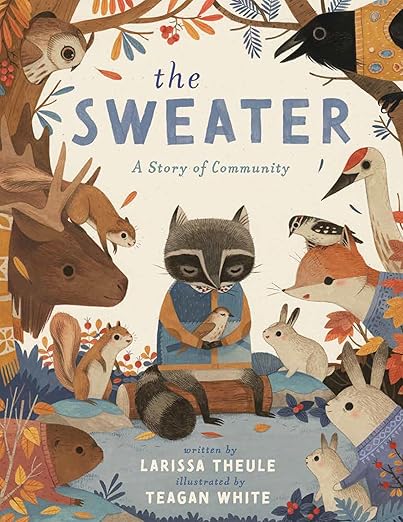
Theule, Larissa. Sweater, The: A Story of Community. Teagan White, Illus. Viking, 2/2026. [32]pp. Picture Book. Trade $18.99. 978-0-5935-2894-5. GRADES Preschool2. OUTSTANDING.

Raccoon Holly has just started a fall morning hike when she encounters a small, stumbling bird—it “was plain to see he had been through some things”—so she scraps her hike and rallies her woodland thicket neighbors to get the bird settled for winter. With standout art, lyrical text, and a soothing narrative pace, this book has surprising versatility as a teaching tool for social-emotional lessons like perspective-taking and helping others in need, a cozy naptime or bedtime read, and an engaging visual experience that rewards close-looking readers with richly-detailed art (did you notice the steaming cup of tea and seeds Holly lays out near the bird when he first arrives?). The painterly illustrations, hand-made in watercolor, gouache, and colored pencil, use a shifting color palette to communicate mood: misty gray-blues capture the gravity of the bird’s arrival, barely-there blues and pinks accompany scenes of winter waiting and isolation, while glowy yellows and oranges of spring cue healing and joy. The core messages—that newcomers should be welcomed and that every gift you can give matters to the whole—land with feeling rather than preachiness or political overtones, and it’s not a stretch to imagine the bird as a stand-in for “immigrant,” with a thicket full of raccoons, moose, moths, beavers, magpies, foxes, and more, bringing to mind diverse, real-world communities. Young readers will be pulled in by the charming art and gentle suspense of whether the bird will be ok, while adults will appreciate the opportunity to have conversations with kids about community and belonging.

Mandie CarollCommon Sense Media

We the People is All the People Review

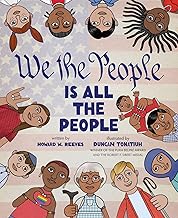
Reeves, Howard W. We the People Is All the People. Duncan Tonatiuh, Illus. Abrams, 04/2026. [36]pp. Nonfiction. Trade $19.99. 978-1-4197-7649-6. GRADES Kindergarten–5. HIGH ADDITIONAL.   

This unusual free verse poetic essay offers a modern interpretation of the Preamble to the U.S. Constitution’s opening phrase “We the People.” The text gives many examples, including people of various faiths, ethnicities, abilities, and occupations using a clipped, dynamic text: “People who look different ways, love different ways, and communicate different ways.” The colorful, distinctive folk art style illustrations contribute as much as the text does, depicting the vast diversity of the United States. This will be useful for patriotic holiday celebrations, social studies class discussions, and families seeking ways to describe the struggles in U.S. history. The book ends with notes from the author and illustrator that spell out how the original Preamble only included some white males, not all the people.

Penny Peck—San José State University iSchool
When You’re Brave Enough Review

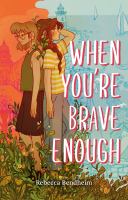
Bendheim, Rebecca. When You’re Brave Enough. Viking, 04/2026. 304pp. Fiction. Trade $18.99. 978-0-5936-9513-5. GRADES 5–8. OUTSTANDING.     

Eighth grade is a big year for Lacey; after landing a lead role in the musical at her new school, she grapples with the potential for a stage kiss, misses her best friend, plans her bat mitzvah, and navigates new friendships. The emphasis on Lacey “feeling behind” her peers—many of whom have already had crushes or first kisses—serves as an effective catalyst and provides context for Lacey’s reflections about her own sexual orientation. The story, told in first person, also incorporates thoughtful email exchanges between Lacey and her best friend. Several side characters identify with various LGBTQ identities, including bisexual, asexual, and nonbinary; these topics are discussed with inclusion and care. Lacey presents as white and Jewish. Bendheim’s metaphorical and lyrical writing gives strength to Lacey’s introspective and relatable narrative voice, realistically capturing the insecurities of middle school, the bravery of coming out, and a young teenager’s place in the world.

Willow FaustAlameda Free Library

Whose Tree Is This? Review

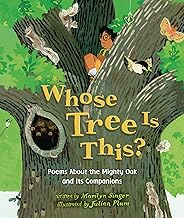
Singer, Marilyn. Whose Tree Is This? Poems About the Mighty Oak and Its Companions. Julian Plum, Illus. Millbrook, 04/2026. [36]pp. Nonfiction. Trade $19.99. 979-8-7656-7083-5. GRADES Kindergarten–5. HIGH ADDITIONAL.  

Twelve animals and one human each narrate a different poem about how an oak tree is beneficial, describing how the oak provides shelter and food.  Each brief poem begins with “This is my tree,” and is set opposite a paragraph with information on the animal and its interaction with the oak tree. The brightly colored acrylic gouache and colored pencil illustrations are lively, showing the insects, birds, and other animals close up. The book ends with more information about oak trees and a selected bibliography. Guide educators to these poems for units on trees, habitats, and poetry.

Penny PeckSan José State University iSchool